The origins of the Landes
The
Landes department is located in the Nouvelle-Aquitaine region, in south-west France, north of Bayonne and Biarritz. Its history dates back to antiquity, with the presence of Celtic and later Roman populations. In the Middle Ages, the region was mainly covered with pine forests and inhabited by pastoral communities.
During the 11th century, Cistercian monks began clearing the land and creating ponds for fish farming. This contributed to the development of agriculture and livestock farming in the region. At that time, the Landes consisted of vast expanses of marshland, dunes and forests.
In the 17th century, King Louis XIV ordered the massive planting of maritime pines in the Landes in order to stabilise the sand dunes and prevent the sand from advancing further. This reforestation policy gave rise to one of the largest man-made forests in Europe, used in particular in the building and shipbuilding industries.
The 19th century was marked by the industrial revolution and the growth of forestry in the Landes. Railways were built to make it easier to transport timber, and many sawmills were constructed. However, this period also went through crises, notably the appearance of the "fébus" disease, which affected the pine trees and caused significant damage.
In the 20th century,
the Landes saw
major tourism development, thanks to their fine sandy beaches and mild climate. Seaside resorts such as Hossegor and Mimizan became sought-after destinations. Agriculture and livestock farming also evolved, with the introduction of new techniques and crops.
Today, the Landes is a dynamic department, combining agriculture, forestry, tourism and industry. The Landes forest remains a central element of the region's economy and identity. Pastoral traditions, such as the course landaise (Landes-style bullfighting) and the making of ewe's milk cheese, are also preserved and form an integral part of local culture.
Not to be missed in the Landes
The
Landes is a highly popular tourist destination, offering a wealth of things to see and do.
The Landes is renowned for its
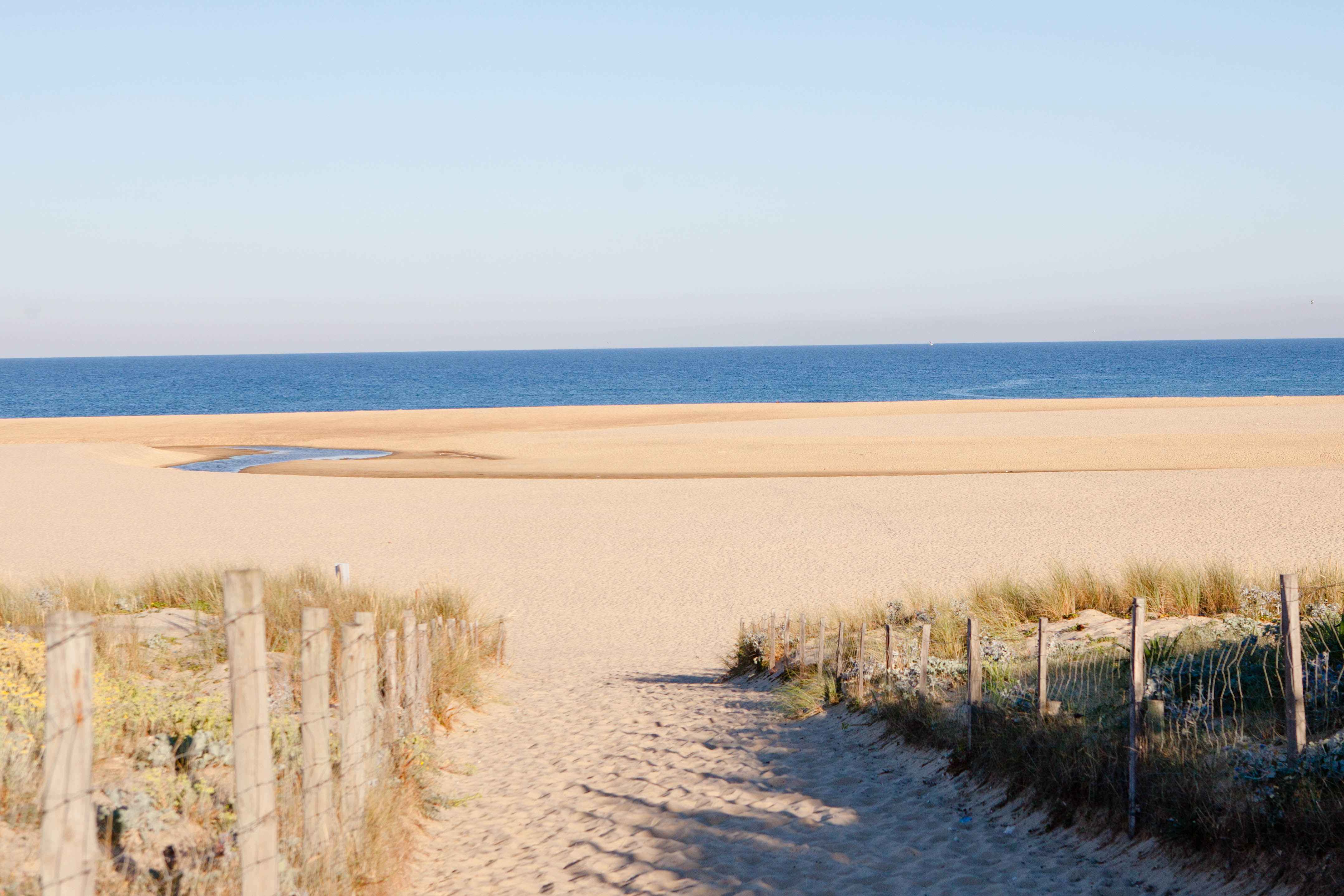
magnificent fine sandy beaches stretching for kilometres. Among the most famous are
Hossegor, Capbreton, Biscarrosse and Mimizan, which offer ideal conditions for surfing, swimming and relaxing. The
Landes coastline is, in a way, the
European capital of surfing. The Landes is also
France's leading spa department. One of the region's most renowned spa towns is
Dax. It has more than 15 thermal spa establishments, offering anything from a full treatment course to a simple break. Indeed, festivities are very much part of the Landes way of life. The
ferias of Dax and Mont-de-Marsan are the most famous.
Landes gastronomy is exceptionally rich: the department is France's leading producer of foie gras and the birthplace of duck breast (magret de canard). Nature lovers won't be left out either, with
numerous natural sites of great beauty.
Living in the Landes
The Landes is renowned for its
unspoilt natural environment. Indeed, the Landes offers numerous natural spaces accessible to everyone. Whether for a walk in the forest, enjoying the beaches or exploring the lakes, nature is always close at hand. What's more, the Landes has
over 600 km of cycle paths, there's no better way to explore the Landes than by bike! The Landes benefits from good infrastructure, with schools, medical centres, shops and a wide range of services. Larger towns such as Mont-de-Marsan and Dax also offer cultural and sporting facilities.
The
property market in the Landes is highly varied and offers a wide range of properties, from traditional Landes farmhouses to sea-view apartments. There are also splendid villas with swimming pools offering top-of-the-range amenities. Coastal areas such as Hossegor, Capbreton, Biscarrosse and Mimizan are particularly sought-after thanks to their access to beaches and water sports. Towns such as Mont-de-Marsan and Dax, meanwhile, offer a more urban setting with nearby amenities and services.